Psilocybin mental wellness has become an increasingly discussed topic in modern mental health research and wellness conversations. Scientists, therapists, and individuals interested in personal development are exploring how psilocybin mental wellness may influence emotional health, psychological resilience, and perspective shifts. Psilocybin is a naturally occurring psychedelic compound found in certain species of mushrooms, and researchers are studying how it may interact with brain chemistry related to mood, perception, and cognition.
Interest in psilocybin mental wellness has grown significantly over the past decade as clinical studies examine how psychedelic compounds might support mental health therapies when used in structured and carefully guided environments. While the research is still evolving, many experts emphasize the importance of approaching psilocybin mental wellness with a balanced perspective that considers both the potential insights and the possible risks.
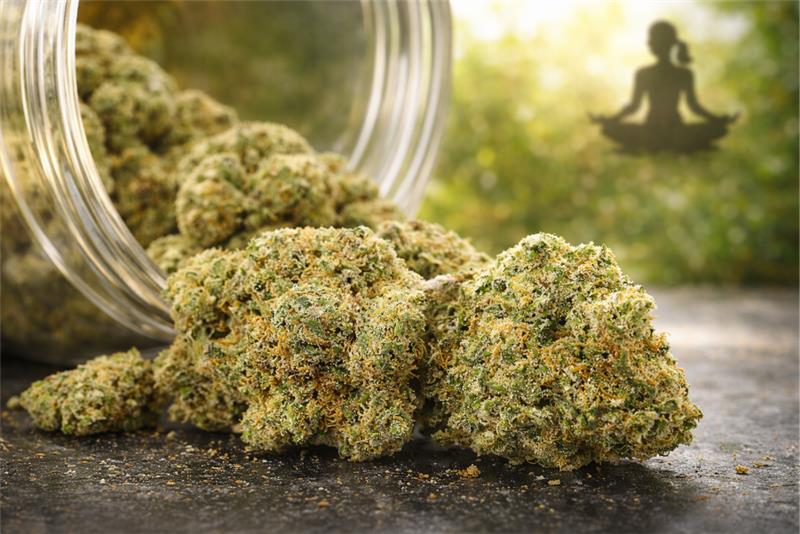
Educational resources and wellness discussions about cannabis and related topics can also be found on platforms such as Medical High, where adults explore research-based information about emerging wellness trends.
Understanding Psilocybin and Its Growing Role in Mental Wellness
What Is Psilocybin and How It Works in the Brain
Psilocybin is a naturally occurring compound found in several species of psychedelic mushrooms. Once consumed, the body converts psilocybin into psilocin, a compound that interacts with serotonin receptors in the brain. Serotonin is a neurotransmitter that plays an important role in mood regulation, emotional processing, perception, and cognition.
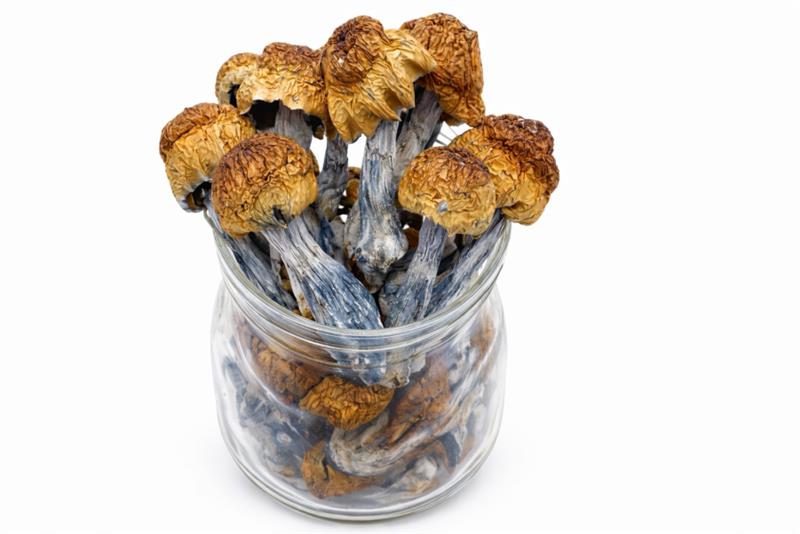
In psilocybin mental wellness research, scientists focus particularly on the interaction between psilocin and serotonin receptors known as 5-HT2A receptors. These receptors influence how the brain processes sensory information and emotional experiences. When activated, they may temporarily alter patterns of communication between different brain regions. Psilocybin occurs naturally in several mushroom species that are commonly available in dried psilocybin mushrooms, a traditional form that preserves the compound for research and discussion purposes.
Researchers believe that these temporary changes in brain activity may allow individuals to view thoughts, memories, and emotions from new perspectives. This shift in perception is one reason psilocybin mental wellness research is gaining attention in the field of neuroscience and psychology.
Why Psilocybin Is Being Studied for Mental Health
Mental health professionals have long searched for new approaches that may help individuals who struggle with persistent emotional challenges. In recent years, psilocybin mental wellness research has emerged as a potential area of exploration for conditions that sometimes respond poorly to traditional treatments.
Scientists are interested in how psilocybin may temporarily reduce rigid patterns of thinking that contribute to negative emotional cycles. By allowing the brain to explore new patterns of connectivity, psilocybin experiences may support deeper psychological reflection.
Researchers studying psilocybin mental wellness often examine whether psychedelic-assisted therapy may encourage individuals to process difficult experiences more openly and develop healthier emotional perspectives over time.
Changing Public Interest in Psychedelic-Assisted Therapy
Public awareness of psychedelic research has grown rapidly due to scientific publications, documentaries, and discussions within the mental health community. As a result, the concept of psilocybin mental wellness is receiving more attention from both researchers and the general public.
Universities and research institutions around the world are conducting new studies designed to better understand how psychedelic compounds affect the brain and emotional health. These studies are helping scientists learn more about the psychological mechanisms involved in psychedelic experiences.
Despite increasing interest, experts consistently remind the public that psilocybin mental wellness research is still developing and should be approached with thoughtful consideration and scientific caution.
Psilocybin Mental Wellness: What Current Research Suggests
Key Findings From Mushroom Therapy Research
Recent studies examining psilocybin mental wellness have focused on controlled environments where participants receive psychological support before, during, and after psychedelic sessions. These structured settings allow researchers to observe how psilocybin may influence emotional processing and self-reflection.
Participants in some studies have reported meaningful personal insights and changes in perspective following guided psilocybin experiences. Researchers believe these experiences may help individuals reconsider deeply ingrained thought patterns or emotional responses.
Although early findings are encouraging, scientists emphasize that additional research is necessary to fully understand how psilocybin mental wellness interventions may work in different populations.
Clinical Studies on Depression, Anxiety, and PTSD
Several clinical studies have explored the potential role of psilocybin mental wellness approaches in addressing depression, anxiety, and trauma-related conditions. These studies often involve carefully designed therapy sessions combined with guided psychedelic experiences.
In certain cases, participants have reported improvements in mood and emotional outlook after participating in structured research programs. Scientists believe that psilocybin may help interrupt repetitive negative thinking patterns that often contribute to emotional distress.
However, it is important to recognize that these studies occur within carefully monitored research environments, and their findings are still being evaluated through ongoing clinical investigation.
How Psilocybin May Influence Brain Connectivity and Emotional Processing
One of the most fascinating aspects of psilocybin mental wellness research involves brain imaging studies. Scientists use advanced scanning technologies to observe how psychedelic compounds influence neural communication.
During psilocybin experiences, researchers have observed increased connectivity between different brain regions. Areas of the brain that normally function separately may begin interacting more actively with one another.
This temporary change in brain connectivity may contribute to experiences of emotional insight, expanded awareness, and shifts in perception. Researchers are continuing to study how these changes may relate to long-term psychological outcomes.
Microdosing and Mood Support: Emerging Trends
What Is Psilocybin Microdosing
Psilocybin microdosing refers to the practice of consuming extremely small amounts of psilocybin mushrooms. These amounts are typically low enough that they do not produce noticeable psychedelic effects.
People interested in psilocybin mental wellness sometimes explore microdosing as a way to experience subtle psychological changes without undergoing a full psychedelic experience. Microdosing routines usually involve very small doses taken periodically over time.
The goal of microdosing is generally to maintain normal daily functioning while observing potential changes in mood, focus, or creativity. Some people who explore microdosing prefer convenient formats such as psilocybin mushroom gummies, which allow individuals to measure smaller portions more consistently.
Microdosing Mood Support: Reported Benefits and Limitations
Discussions about microdosing often include anecdotal reports from individuals who believe small doses of psilocybin may support emotional balance or cognitive flexibility.
Some commonly reported experiences include:
- Improved focus and mental clarity
- Increased creativity or curiosity
- Greater emotional openness
- Mild improvements in mood
While these reports contribute to the conversation about psilocybin mental wellness, personal experiences vary widely. What works for one person may not produce the same effect for another.
What Scientific Research Says About Microdosing
Scientific research on microdosing remains limited compared with studies involving full psychedelic doses. Some early studies suggest that perceived improvements in mood or creativity may be influenced by psychological expectations rather than direct biological effects.
Researchers continue to investigate whether microdosing produces measurable neurological or psychological changes. As more studies are conducted, scientists hope to better understand the relationship between microdosing and psilocybin mental wellness outcomes.
Real Psilocybin Experiences: What Users Commonly Report
Emotional and Psychological Effects
Individuals who participate in guided psychedelic experiences often describe a wide range of emotional responses. In psilocybin mental wellness discussions, participants sometimes report feelings of deep introspection, emotional release, or heightened empathy.
These experiences may encourage individuals to reflect on personal challenges, relationships, or life goals. Some people describe moments of clarity in which they reconsider long-standing beliefs or emotional patterns.
However, emotional reactions can vary greatly depending on the individual and the circumstances surrounding the experience. Some individuals prefer edible formats such as psilocybin mushroom chocolate, which combine the mushroom extract with chocolate for a more familiar taste and experience.
Short-Term vs Long-Term Experiences
Short-term effects of psilocybin typically involve changes in perception, sensory awareness, and emotional intensity. These experiences usually last several hours before gradually returning to baseline awareness.
Long-term outcomes vary widely. Some individuals report lasting perspective changes or emotional insights, while others notice little difference once the experience has ended.
Psilocybin mental wellness research continues to explore whether guided psychedelic experiences may produce meaningful psychological benefits over extended periods of time.
Factors That Influence Psilocybin Experiences (Dose, Setting, Mindset)
Experts frequently emphasize that several factors influence how individuals experience psychedelic substances. The outcome of a psilocybin experience is not determined by dosage alone.
Important variables include:
- Personal mindset before the experience
- Emotional state and expectations
- The physical environment in which the experience occurs
- The presence of supportive guides or therapists
- Previous experiences with psychedelic substances
Understanding these factors is an essential part of responsible conversations about psilocybin mental wellness.
Potential Benefits Being Explored in Psilocybin Research
Support for Treatment-Resistant Depression
Treatment-resistant depression remains a significant challenge in mental health care. Researchers studying psilocybin mental wellness are investigating whether psychedelic-assisted therapy may provide new insights into treating persistent depressive symptoms.
Early research suggests that guided psilocybin experiences may encourage individuals to examine emotional patterns in new ways. This process may help some participants develop healthier perspectives on personal challenges.
Anxiety Relief in Clinical Settings
Another area of psilocybin mental wellness research involves individuals experiencing anxiety related to life transitions or personal struggles. In certain structured research environments, participants have reported improvements in emotional acceptance and reduced anxiety following guided sessions.
Scientists are continuing to explore how psychedelic-assisted therapy may influence emotional resilience and coping strategies.
Possible Effects on Creativity, Perspective, and Personal Insight
Many discussions about psilocybin mental wellness include reports of increased creativity and expanded perspectives. Some individuals describe experiencing new insights about personal values, relationships, or life direction.
Researchers believe these experiences may occur because psilocybin temporarily alters patterns of brain connectivity, allowing individuals to view familiar thoughts or problems from a fresh perspective.
Risks, Safety Concerns, and Responsible Use
Possible Psychological Risks and Side Effects
Although psilocybin mental wellness research highlights potential benefits, experts consistently stress the importance of understanding possible risks. Psychedelic experiences can sometimes produce intense emotional reactions that may be difficult to process without support.
Individuals may experience anxiety, confusion, or temporary emotional distress during challenging moments of a psychedelic experience. These reactions can be influenced by dosage, personal mindset, and environmental conditions.
Who Should Avoid Psilocybin
Certain individuals may face greater risks when experimenting with psychedelic substances. Mental health professionals often recommend avoiding psilocybin in situations where psychological vulnerability may increase the likelihood of negative experiences.
People who may need to exercise particular caution include:
- Individuals with a personal or family history of severe psychiatric conditions
- People currently experiencing significant emotional instability
- Individuals taking medications that affect brain chemistry
- Those without access to a supportive environment
Understanding these factors is an important aspect of responsible psilocybin mental wellness discussions.
Responsible Use and Harm Reduction Practices
Responsible conversations about psilocybin mental wellness emphasize education, preparation, and psychological awareness. Harm reduction practices focus on minimizing potential risks and encouraging informed decision-making.
Learning about dosage, personal mental health factors, and environmental influences can help individuals approach psychedelic topics more thoughtfully and safely.
The Future of Psilocybin and Mental Wellness Research
Advancements in Psychedelic Therapy Research
Research into psychedelic compounds has expanded rapidly in recent years. Universities and medical institutions are investing in studies that explore how psilocybin may influence emotional health, perception, and cognitive flexibility.
Psilocybin mental wellness research continues to investigate the neurological mechanisms that underlie psychedelic experiences and how these experiences may relate to psychological healing.
Potential Integration Into Mental Health Treatment
Some researchers believe that psychedelic-assisted therapy could eventually become part of specialized mental health treatment frameworks. These approaches typically involve preparation sessions, guided experiences, and integration discussions designed to help individuals process insights gained during psychedelic experiences.
This structured approach aims to combine psychological support with scientific understanding of how psilocybin affects brain function.
What Experts Say About the Next Decade of Psilocybin Studies
Experts anticipate that the next decade will bring significant progress in understanding psilocybin mental wellness. Larger research studies, improved therapeutic protocols, and more advanced brain imaging technologies will likely contribute to deeper insights into psychedelic science.
As research continues to evolve, the scientific community will gain a clearer understanding of how psilocybin interacts with emotional health and cognitive processes. Readers who want more information about available products or educational resources can contact the Medical High team for additional guidance.
Conclusion: A Balanced Perspective on Psilocybin and Mental Wellness
Psilocybin mental wellness is an evolving field of research that explores how psychedelic compounds may influence emotional health, self-reflection, and psychological resilience. While early studies suggest that psilocybin experiences may support new perspectives and deeper emotional insight, researchers emphasize the importance of continued scientific investigation and responsible discussion. Understanding both the potential benefits and the possible risks helps create a balanced view of this emerging area of study. As research progresses, educational platforms such as medical high continue providing information that helps adults stay informed about evolving conversations surrounding cannabis, psychedelics, and wellness exploration.
FAQ
Q.1 What is psilocybin mental wellness?
Psilocybin mental wellness refers to research exploring how psilocybin mushrooms may influence emotional health, psychological insight, and cognitive flexibility.
Q.2 What is psilocybin microdosing?
Microdosing involves consuming very small amounts of psilocybin mushrooms with the goal of experiencing subtle psychological effects without full psychedelic experiences.
Q.3 How long do psilocybin effects usually last?
Psilocybin experiences typically last several hours, although emotional insights or perspective changes may remain longer.
Q.4 Can psilocybin affect mood?
Research suggests psilocybin may influence mood and emotional processing, but outcomes vary widely depending on the individual and the environment.